Get First hand weekly updates from our Team

The Policy Vault Insights and Opinions

Discover the rebuilt Policy Vault, your central platform to find, access and understand African policy documents, legislation and regulatory information across multiple countries and sectors.

Meet the Rebuilt Policy Vault: Find, Access and Understand African Policy Documents in One Place

Discover the rebuilt Policy Vault, your central platform to find, access and understand African policy documents, legislation and regulatory information across multiple countries and sectors.

Read More

Electoral Violence: A Threat to Safe & Credible Elections in 2023

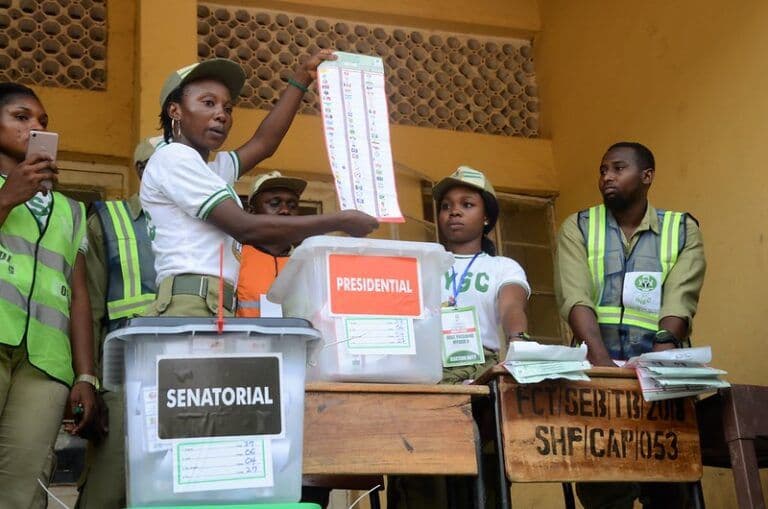
Electoral Violence: A Threat to Safe & Credible Elections in 2023

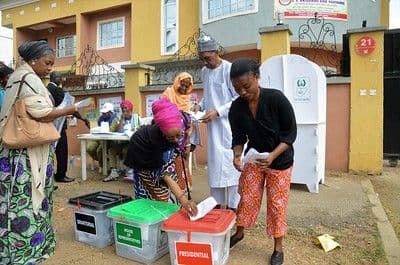
As Nigerians vote in the general elections this weekend, the public expects the process to be more credible than previous elections given the new Electoral Act, which has been designed to address the disenfranchisement of citizens and ensure fairness, credibility, and transparency in Nigerian elections. However, there are still concerns about the state of insecurity in the country. For instance, recent security warnings from the United State Embassy and Consulate in Nigeria advising their citizens not to travel to 15 states in the country due to insecurity— crime, terrorism, civil unrest, and kidnapping—have exacerbated public fears. In what follows, we take a brief look at the historical issues of electoral violence in Nigeria, how these issues might pose a threat to the 2023 elections, and the measures that can be taken by the Independent National Electoral Commission (INEC) and security agencies to prevent violence in during the 2023 elections and in future elections.

Read More

Looking Forward to Nigeria’s General Elections: What are the Big Issues?

Looking Forward to Nigeria’s General Elections: What are the Big Issues?

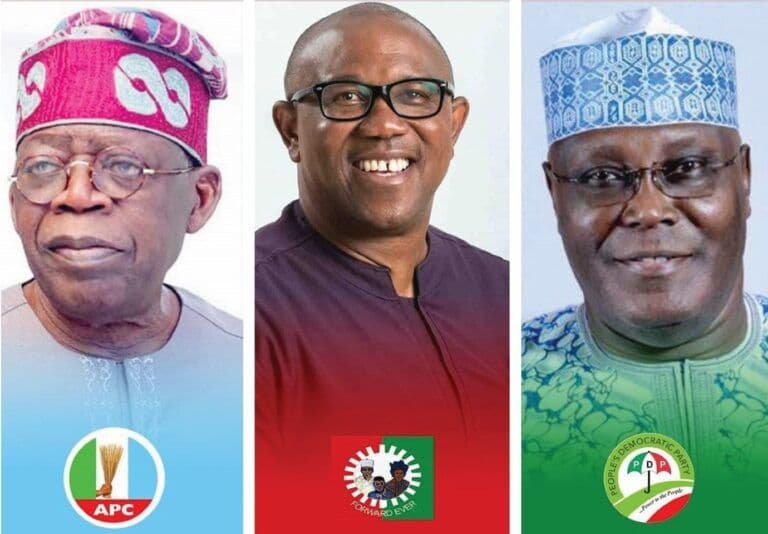
On February 25 and March 11, 2023, Nigerians will vote in the presidential and gubernatorial elections following a competitive electoral campaign where national issues such as unemployment, inflation, fuel scarcity, insecurity, fuel subsidy and theft, public sector corruption, and university lecturers’ strikes have dominated public discussions. The All Progressives Congress’ Bola Ahmed Tinubu, the People’s Democratic Party’s Atiku Abubakar and the Labour Party’s Peter Obi are the major candidates heading into the weekend polls, with the New Nigeria People’s Party’s Rabiu Kwankwaso playing the role of spoiler. While Nigerians would no doubt appreciate the fervour with which candidates have shared their plans with them, several other factors will play a key role in shaping the outcome of the elections. We consider these factors briefly.

Read More

Presidential Candidates and Their Lofty Plans 

Presidential Candidates and Their Lofty Plans 

Ahead of this year’s general elections in Nigeria, presidential candidates have released their manifestos to tackle a host of issues from the economy and energy to national security. In this article we explore each of these three pillars—economy, energy, and national security—in depth.

Read More

A New Approach to Addressing Nigeria’s Malnutrition Challenge

A New Approach to Addressing Nigeria’s Malnutrition Challenge

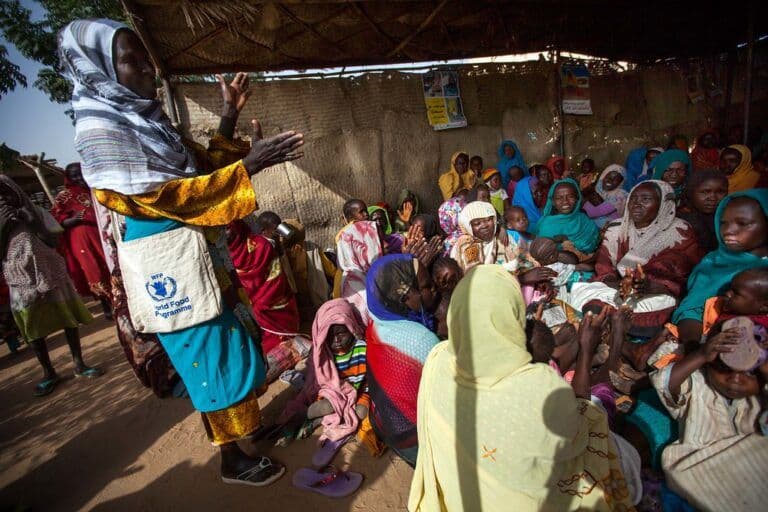
Due to the multidisciplinary nature of nutrition, combating malnutrition in all its forms at both national and subnational levels requires a holistic approach that is multisectoral. Multisectoral collaboration for food and nutrition can pull together all stakeholders in relevant issue areas to ensure a better understanding of the situation, come up with solutions, and take broader actions against malnutrition in the country. That is the rationale behind the adoption of the National Multisectoral Plan of Action for Food and Nutrition (NMPFAN) analyzed in this article.

Read More

Nigeria’s 2023 Elections: Policy options to address voter apathy

Nigeria’s 2023 Elections: Policy options to address voter apathy

Historical data indicate low citizen participation in voting since Nigeria’s return to democratic governance in 1999. The data reveal that while Nigerians consistently participate in voter registration, they are less enthusiastic about casting their votes on election day. In 2019, for example, the country recorded the lowest voter turnout in Africa, despite the increase in registered voters. Voter apathy is even more evident in the National Assembly representative elections; more Nigerians participate in presidential and gubernatorial elections than in the National Assembly and the local government elections. As the country prepares for the general elections next year, actions need to be taken by stakeholders to improve and ensure active citizen participation in the electoral processes.

Read More

Africa's Priorities and the New U.S. Strategy for Sub-Saharan Africa 

Africa's Priorities and the New U.S. Strategy for Sub-Saharan Africa 

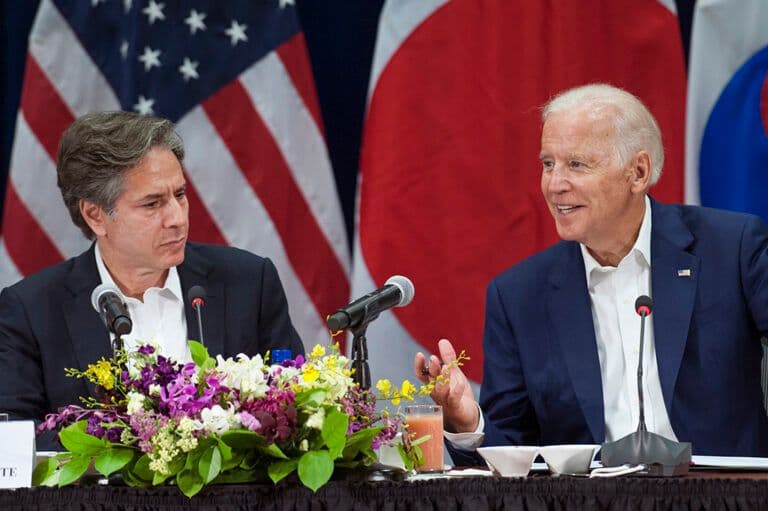
The Biden administration recently announced a new US strategy toward Sub-Saharan Africa. The strategy aims to redesign US engagement with the region given the growing global influence of the continent. The announced strategy can be seen as an effort to reaffirm the United States’ commitment to the continent at a time where the White House fears an evolution of African countries’ relations with China and Russia.

Read More

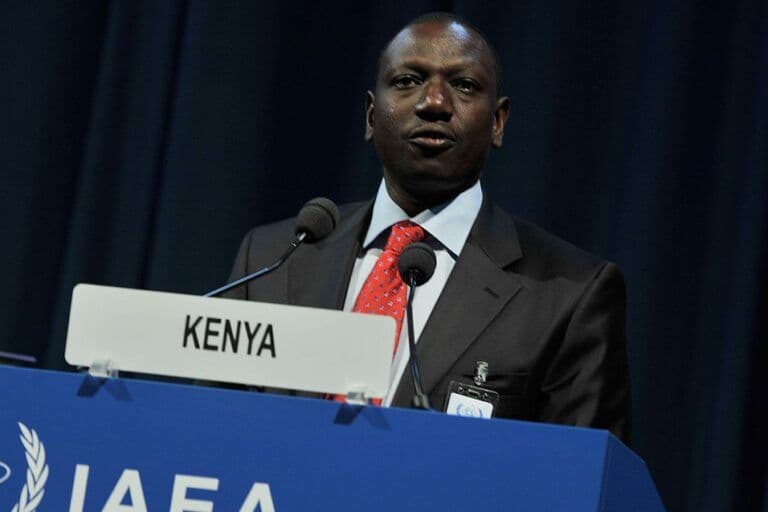
Ruto’s Time, What Should Kenyans Expect?

Ruto’s Time, What Should Kenyans Expect?

Ruto and the coalition (Kenya Kwanza) behind him have made it clear that his administration is committed to empowering people at the base of the economic pyramid, who he refers to as – ‘the hustler’. He is keen on establishing a government that supports the political inclusion and empowerment of all Kenyans. Through his bottom-up economic model, he has pledged to bring down the cost of living, expand the tax base, create jobs, and improve foreign exchange balance with the expectation to transform key areas.

Read More

2023 National Elections: What can we learn from Osun and Ekiti’s elections?

2023 National Elections: What can we learn from Osun and Ekiti’s elections?

The 2023 Nigerian general election is critical for many Nigerians, especially considering the current economic, social, and political crises. Most Nigerians see the upcoming elections as an opportunity to elect leaders that will tackle current national issues such as fuel scarcity, insecurity, high unemployment and inflation. Recently concluded elections in Osun and Ekiti provide insights on issues that will likely characterize the 2023 national elections.

Read More

African Continental Free Trade Area (AfCFTA) Agreement: The Next Big Thing?

African Continental Free Trade Area (AfCFTA) Agreement: The Next Big Thing?

In an effort to improve the situation of trade on the continent, the African Union introduced a free trade agreement called the African Continental Free Trade Area (AfCFTA) Agreement. One of the most ambitious trade deals in history, the agreement was signed on 21 March 2018 and entered into force on 30 May 2019. It aims to create a single continental market which would unite the continent and complement existing regional economic communities and trade agreements in Africa.

Read More